
3235 blvd. St-Martin East, Offices 208-209 Laval (Quebec), H7E 5G8 450-664-3503 credelaval@credelaval.qc.ca


Started in 2024, the 'RétenCité' project aims to promote sustainable stormwater management (SSWM) among businesses and residents of Laval. It brings together a wide range of stakeholders, including residents, businesses, public authorities, and environmental management experts.
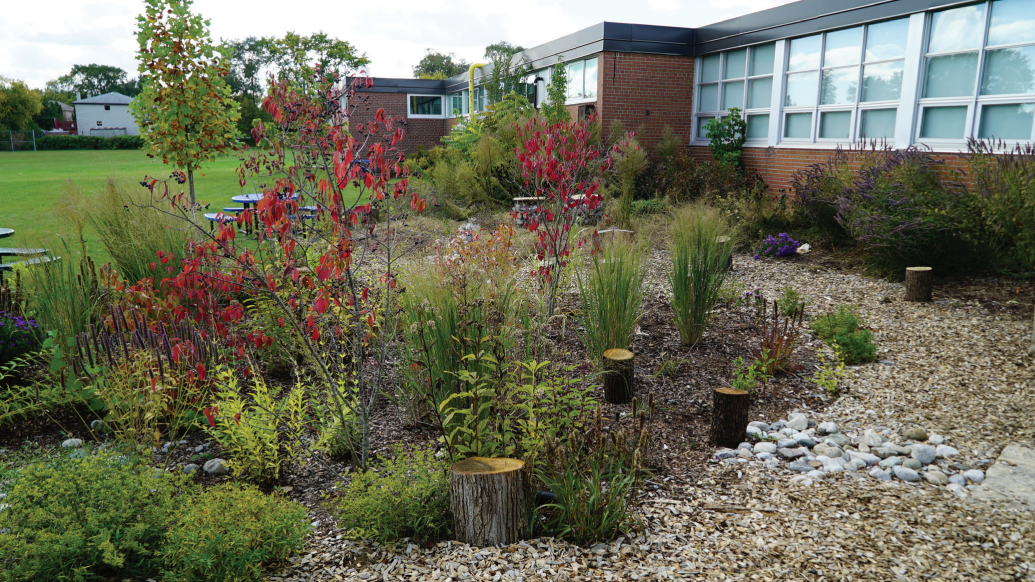
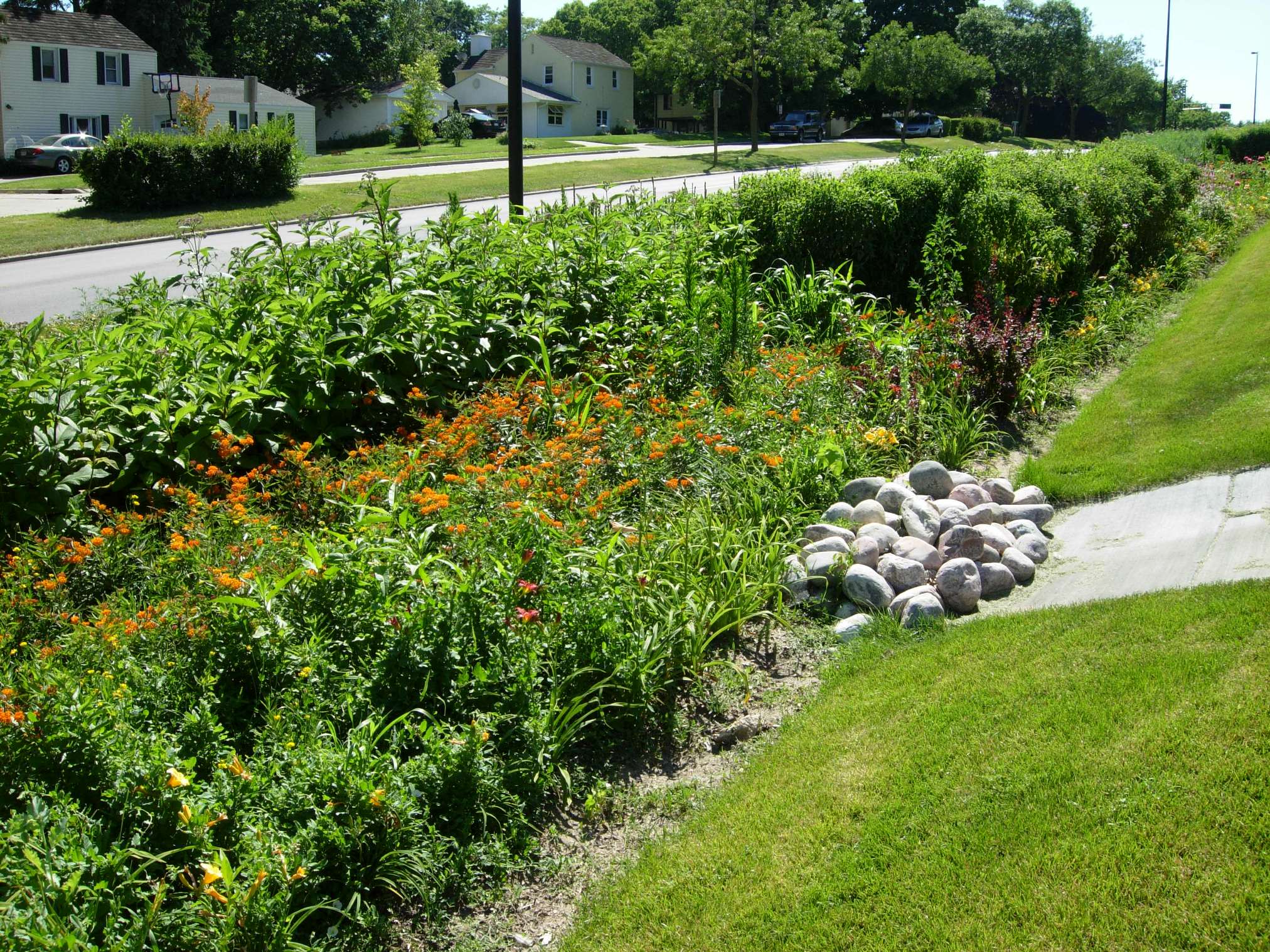
RétenCité seeks to implement 15 rain gardens in residential areas as well as 4 large-scale green infrastructure projects in industrial and commercial spaces.
Initially launched as a three-year project, we hope that the initiative will continue beyond this period throughout the Laval region.
The City of Laval is currently dealing with a significant combined sewer overflow problem caused by the aging condition of its sewer network and the large volume of stormwater entering the system. Laval’s building stock is also characterized by extensive impervious surfaces that direct rainwater into the sewers, whether through the gutters of numerous single-family homes draining onto poorly absorbent lawns or through large buildings constructed before stormwater retention basins became standard practice.
The accumulation of water on land unable to absorb it can lead to serious consequences, including flooding that damages infrastructure and creates financial burdens for residents, the city, and local industries alike.
In addition, sewer overflows carry significant environmental and social costs:
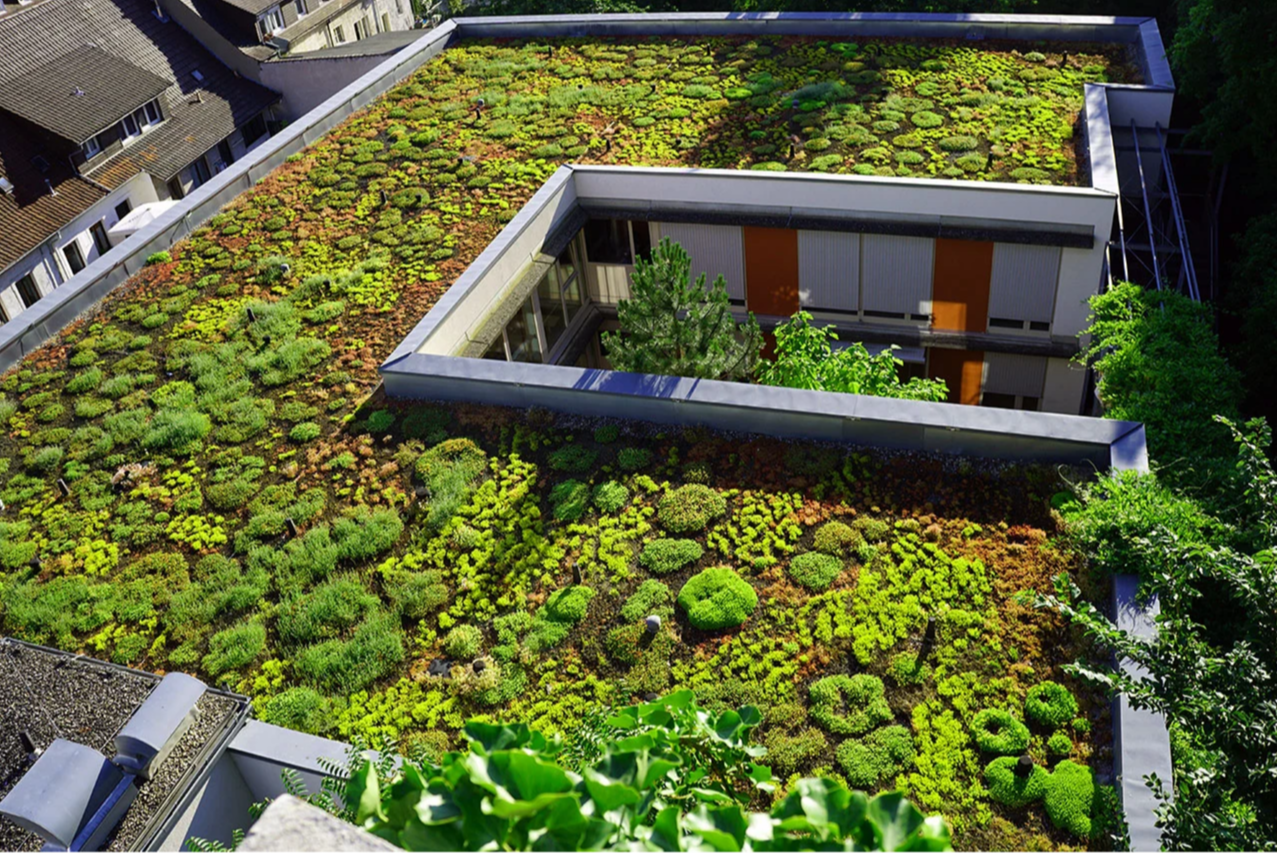
Reducing impervious surfaces (such as asphalt and concrete) in urban areas and increasing vegetated spaces is essential. These improvements are everyone's responsibility, including both residents and businesses. The implementation of green infrastructures - such as rain gardens, green roofs, and vegetated swales - helps improve soil permeability, reduce the risk of destructive flooding, and mitigate significant impacts on ecosystems.

3235 blvd. St-Martin East, Offices 208-209 Laval (Quebec), H7E 5G8 450-664-3503 credelaval@credelaval.qc.ca